Human Capital and Token Capital: Why Satya Nadella Thinks AI Is Changing Business Forever
For decades, businesses competed on three things: talent, capital, and execution.
The companies with the smartest people usually won.
That equation is changing.
According to Microsoft CEO Satya Nadella, the next generation of business leaders will need to think beyond employees, software, and technology adoption. The real competitive advantage will come from how effectively organizations combine human expertise with AI systems that continuously learn from that expertise.
This is where two concepts become critical:
- Human Capital
- Token Capital
Most discussions around AI focus on tools like ChatGPT, Copilot, Claude, or Gemini. Nadella's argument is far more strategic.
The companies that dominate the next decade may not be the ones using the best AI models.
They may be the ones building the best learning systems.
The Shift From Digital Tools to Digital Intelligence
Previous technology revolutions focused on making employees more productive.
Spreadsheets improved financial analysis.
CRMs improved customer management.
Marketing platforms improved campaign execution.
The software helped people perform their jobs better.
AI introduces something fundamentally different.
For the first time, businesses can create what Nadella calls a cognitive loop between people and digital systems. Human knowledge can be captured, refined, stored, and reused by AI systems that improve over time.
That changes the way organizations create and preserve value.
What Is Human Capital?
Human Capital is the traditional asset every company understands.
It includes:
- Experience
- Creativity
- Judgment
- Relationships
- Leadership
- Industry expertise
- Problem-solving skills
A senior marketer who understands consumer psychology represents Human Capital.
A software architect with years of technical experience represents Human Capital.
A founder who has spent years understanding customers represents Human Capital.
These capabilities exist inside people's minds.
For centuries, businesses have invested heavily in building Human Capital because knowledge workers create economic value.
The Problem With Human Capital
Human Capital has one major limitation.
It walks out the door.
When experienced employees leave, companies often lose:
- Institutional knowledge
- Customer insights
- Process expertise
- Industry relationships
- Historical context
Many organizations discover too late that their most valuable knowledge was never documented.
It lived entirely inside employees' heads.
This challenge becomes more significant as AI becomes capable of learning from business operations.
What Is Token Capital?
Token Capital is Nadella's term for the AI capability a company builds and owns.
In simple language:
Human Capital = What people know.
Token Capital = What AI knows about your business.
Every SOP, customer interaction, proposal, campaign result, support ticket, audit, and workflow can potentially become part of a company's Token Capital.
As AI learns from this information, it develops a deeper understanding of how the organization operates.
Over time, this knowledge becomes an asset that remains inside the company even when employees leave.
Why "Token" Capital?
Large language models process information using units called tokens.
Every document, email, conversation, report, or knowledge base is ultimately converted into tokens that AI can understand and analyze.
The more valuable business knowledge a company organizes into AI-accessible systems, the larger its Token Capital becomes.
The term sounds technical.
The idea is simple.
It's the difference between:
- Knowledge trapped in people's heads
- Knowledge available to the entire organization through AI
A Real-World Example
Imagine two digital marketing agencies.
Agency A
The company employs ten highly skilled marketers.
They manage successful campaigns and have years of experience.
However:
- Processes are undocumented
- Campaign learnings are scattered
- Knowledge remains in individual teams
If key employees leave, much of the expertise disappears.
Agency B
The company also employs ten highly skilled marketers.
But every:
- SEO audit
- Client proposal
- Campaign report
- Customer conversation
- Case study
- SOP
is stored in a structured knowledge system connected to AI.
When someone asks:
"Create a proposal for a Dubai-based construction company."
The AI instantly references years of organizational knowledge.
Agency B has built Token Capital.
Agency A has not.
Over time, the gap between them widens dramatically.
Why Nadella Is Warning Companies
One of Nadella's biggest concerns is that organizations may become overly dependent on a small number of powerful AI models.
If businesses simply feed their expertise into external systems without building their own learning infrastructure, they risk losing differentiation.
Eventually, everyone gains access to similar AI capabilities.
When that happens:
- Expertise becomes commoditized
- Competitive advantages shrink
- Industries become less differentiated
Nadella compares this risk to earlier globalization trends where value creation became concentrated while industries lost critical capabilities.
His message is clear:
Companies must own their learning systems.
The New Formula for Business Value
The traditional formula looked like this:
Company Value = People + Capital + Execution
The emerging AI-era formula looks different.
Company Value = Human Capital + Token Capital + Data + AI Workflows
Organizations that build both forms of capital can create a compounding advantage.
Every interaction improves the system.
Every project generates new learning.
Every success strengthens future decision-making.
This creates a knowledge flywheel that becomes increasingly difficult for competitors to replicate.
Why Human Capital Becomes More Valuable
A common fear is that AI reduces the importance of people.
Nadella argues the opposite.
He believes Human Capital becomes even more valuable as Token Capital grows.
AI cannot:
- Set ambitious goals
- Build trust-based relationships
- Exercise nuanced judgment
- Connect unrelated ideas
- Understand human motivations
People remain responsible for direction.
AI becomes responsible for amplification.
The strongest organizations will combine both.
The Rise of the Learning Company
The companies likely to thrive in the AI era won't necessarily have the largest teams.
They will have the strongest learning systems.
Every workflow becomes training data.
Every project becomes institutional memory.
Every success becomes reusable intelligence.
This creates a business that gets smarter every day.
Not because individual employees work harder.
But because the organization learns faster.
📊 Human Capital vs Token Capital
| Asset Type | Human Capital | Token Capital |
|---|---|---|
| Lives In | Employees | AI Systems |
| Scales Through | Hiring | Automation |
| Lost When Employees Leave | Yes | No |
| Improves With Experience | Yes | Yes |
| Searchable Instantly | Limited | Yes |
| Available 24/7 | No | Yes |
| Competitive Advantage | Expertise | Institutional Knowledge |
📊 AI Adoption Statistics Supporting the Shift
| Metric | Value | Year | Source |
| Organizations using AI in at least one business function | 78% | 2025 | McKinsey |
| Generative AI adoption among organizations | 71% | 2025 | McKinsey |
| Knowledge workers using AI tools weekly | 75% | 2025 | Microsoft Work Trend Index |
| Microsoft code reportedly generated by AI | Up to 30% | 2026 | Microsoft Leadership Comments |
These numbers show that AI adoption is no longer the differentiator.
The differentiator is how effectively companies turn AI into organizational knowledge.
Where Businesses Should Focus Next
The smartest companies are already moving beyond AI experimentation.
They're building:
- Internal knowledge bases
- AI-powered SOP systems
- Agent workflows
- Searchable organizational memory
- Proprietary AI datasets
The objective is simple.
Create systems where company knowledge survives, improves, and compounds.
That is the foundation of Token Capital.
The businesses that start today will have years of accumulated learning before their competitors realize what happened.
Looking at AI as just another software tool may become one of the biggest strategic mistakes of this decade.
The real opportunity is building an organization where human expertise and AI intelligence continuously strengthen each other.
That is the future Satya Nadella is describing.
And it may become the defining advantage of the AI economy.
Frequently Asked Questions
What is Human Capital?
Human Capital refers to the skills, knowledge, experience, creativity, judgment, and expertise possessed by employees within an organization.
What is Token Capital?
Token Capital is the AI capability and organizational knowledge that a company captures, structures, and makes usable through AI systems.
Why is Token Capital important?
Token Capital helps companies preserve institutional knowledge, improve decision-making, scale expertise, and create long-term competitive advantages.
Does AI replace Human Capital?
No. Satya Nadella argues that Human Capital becomes more valuable as Token Capital grows because people remain responsible for judgment, creativity, and strategic direction.
How can businesses build Token Capital?
Businesses can build Token Capital by documenting workflows, storing institutional knowledge, organizing data, creating AI-accessible knowledge bases, and implementing AI systems that learn from company operations.
What industries benefit most from Token Capital?
Professional services, healthcare, software development, consulting, marketing, finance, legal services, and customer support are among the industries likely to benefit the most.
Thinking about how much knowledge currently exists inside your organization is a useful place to start. Every undocumented process is a missed opportunity to create a long-term asset that compounds over time.
Organizations that begin capturing and structuring that knowledge today may build advantages that are difficult to replicate tomorrow.
For founders and business leaders exploring AI transformation, understanding the difference between AI adoption and AI capability development is becoming increasingly important.
The companies that win may not have the best AI tools.
They may simply have the best learning systems.
Author Bio
Mohsin Ali
I spend most of my time studying the intersection of AI, digital marketing, SaaS, and business growth. What fascinates me most about AI is not the technology itself but how it changes the way companies create, preserve, and scale knowledge. As AI becomes a core part of modern business operations, understanding concepts like Human Capital and Token Capital will help founders and teams build lasting competitive advantages instead of chasing short-term trends.
Learn more on /about or get in touch via /contact.
Related Stories
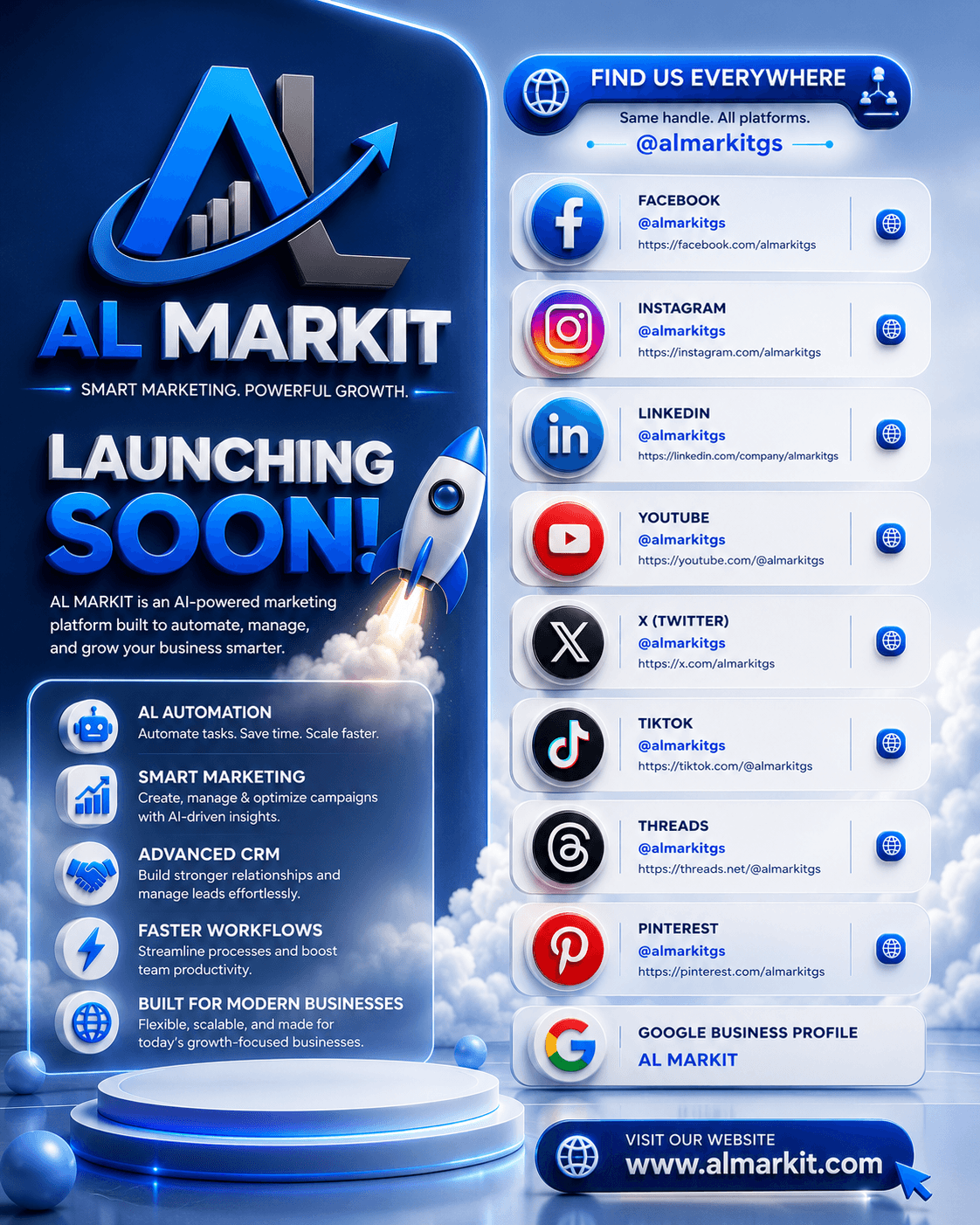
🚀 AL MARKIT Is Launching Soon
🚀 AL MARKIT is launching soon! 🌍✨ Connect with us everywhere using our official handle: **@almarkitgs** ⚡ 📘 Facebook — @almarkitgs 🔗 https://facebook.com/almarkitgs 📸 Instagram — @almarkitgs 🔗 https://instagram.com...
Read Article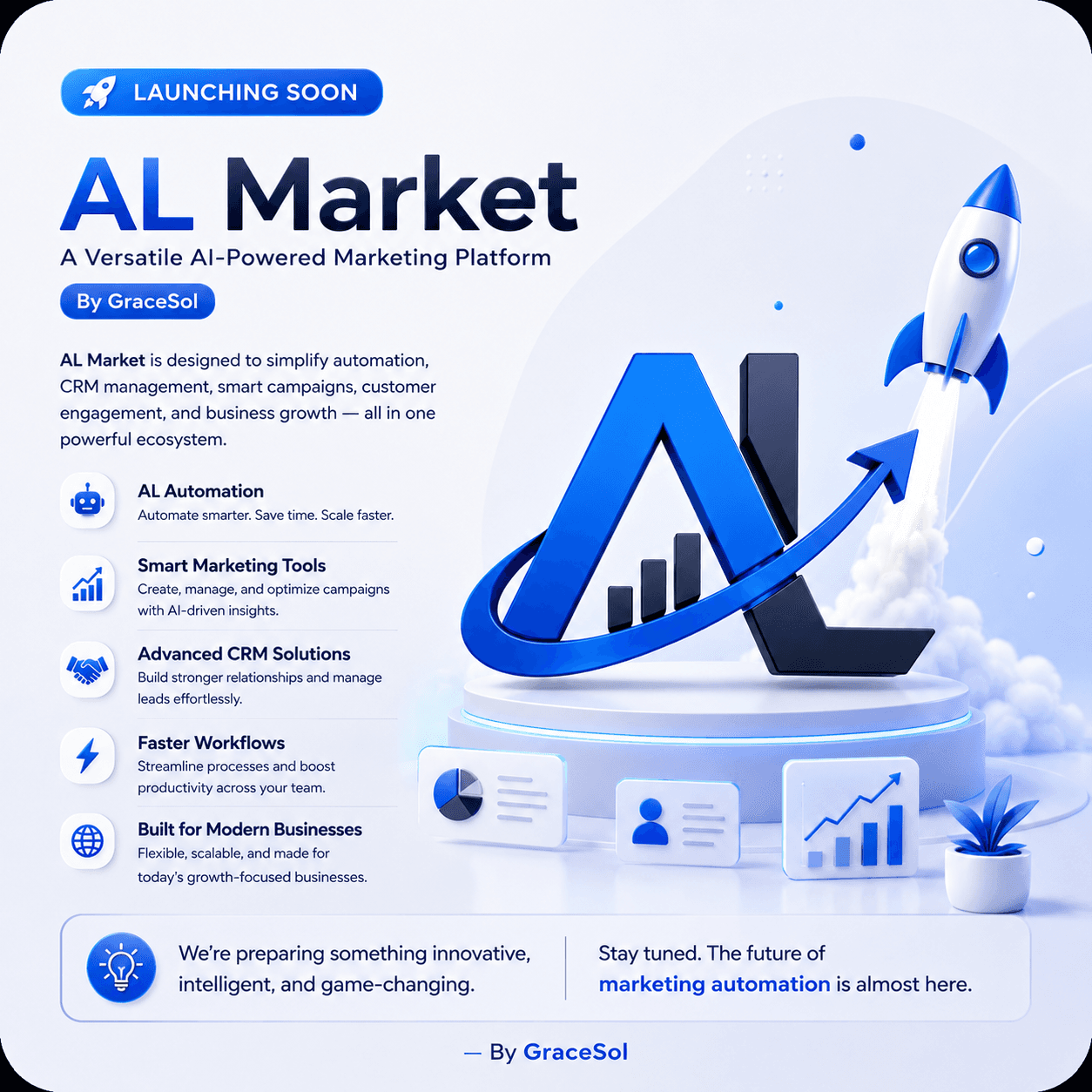
🚀 LAUNCHING SOON Introducing AL Market
🚀 LAUNCHING SOON Introducing AL Market — a versatile AI-powered marketing platform by GraceSol. Designed to simplify automation, CRM management, smart campaigns, customer engagement, and business growth — all in one pow...
Read Article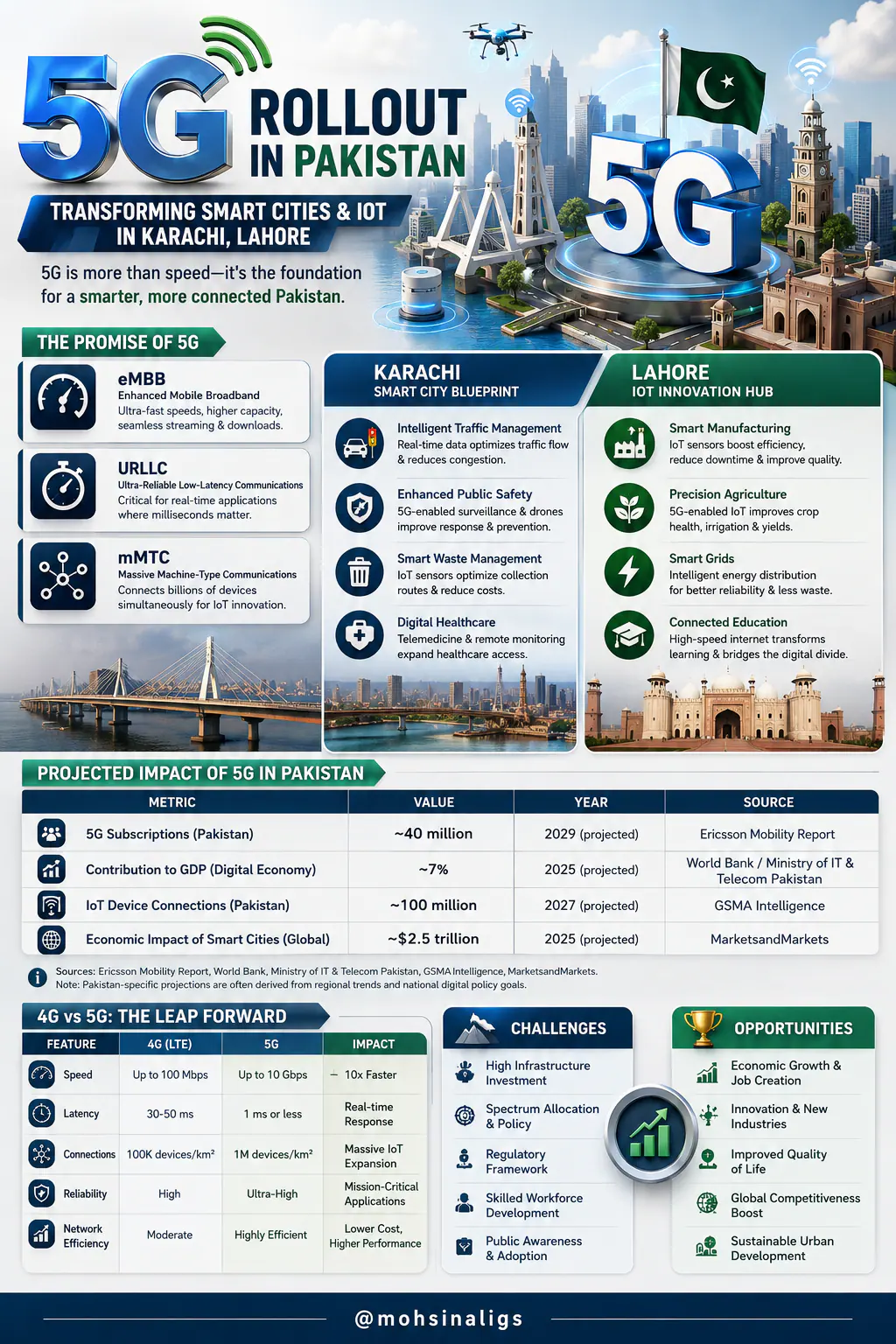
5G Rollout in Pakistan: Transforming Smart Cities & IoT in Karachi, Lahore
The digital landscape in Pakistan is on the cusp of a monumental shift, and it’s not just another incremental upgrade.
Read Article